


Description
Emergency forklift repairs cost three to five times more than planned service and halt Ontario warehouse production. This B2B guide breaks down scheduled PM costs, technician labor rates, emergency breakdown expenses, and how scheduled maintenance protects your bottom line across the GTA.
Preventative Maintenance vs. Emergency Forklift Repair in Ontario: The Real Cost of Reactive Fleet Management
TLDR
Emergency forklift repairs in the Greater Toronto Area cost between three and five times more than scheduled preventative maintenance once rush service dispatch fees, premium shop labor, expedited parts freight, and operator downtime are tallied. Skipping a $250 scheduled 250-hour service call frequently results in a $2,500 to $6,000 catastrophic breakdown, product backlogs, and elevated regulatory scrutiny under Ontario Regulation 851. Establishing a fixed-interval PM schedule and partnering with a local Mississauga dealer protects fleet capital, maintains annual lifting device compliance, and stabilizes operating budgets. Contact Alteon Equipment at +1 905 238 8881 or email Sales@alteonequipment.com to schedule on-site fleet maintenance.
Table of Contents
- The Real Financial Split: Planned Care vs. Reactive Panic
- What a Standard 250-Hour Preventative Maintenance Visit Covers
- The Hidden Anatomy of an Emergency Breakdown Bill
- The Operational Domino Effect: Production Bottlenecks and Rental Stopgaps
- Ontario Safety Compliance: OHSA and Regulation 851 Mandates
- Calculating the 5-Year Fleet TCO Impact
- Building a Bulletproof Maintenance Program with Alteon Equipment
1. The Real Financial Split: Planned Care vs. Reactive Panic
Operating a forklift fleet on a “break-fix” basis appears economical on paper only until the first unexpected mechanical failure halts shipping operations. In warehouse facilities across Mississauga, Brampton, Vaughan, and Milton, the direct invoices and indirect business losses of emergency repairs routinely dwarf planned servicing costs.
Industry benchmark data compiled by material handling service specialists indicates that an unplanned forklift failure costs three to five times more than addressing the same wear component during a planned service interval, as documented in Total Industries’ maintenance benchmark analysis.
Consider the direct numbers:
- Scheduled Preventative Maintenance Visit: Typically billed at standard field technician rates ($130 to $180 CAD per hour) plus basic filters, fluids, and grease, totaling $220 to $450 CAD per standard 250-hour interval.
- Emergency Field Service Callout: Typically billed with emergency callout premiums ($200 to $350 CAD dispatch surcharge), elevated technician emergency labor ($190 to $260+ CAD per hour), urgent same-day parts sourcing, and courier fees. Direct repair bills commonly range from $1,800 to over $5,500 CAD depending on component failure severity.
When a facility defers routine lubrication, chain adjustments, or hydraulic fluid testing, minor mechanical wear compounds into major structural damage. A worn hydraulic hose that costs $140 to swap out during planned maintenance can burst under load, dropping a mast, contaminating freight, starving the main pump, and generating thousands of dollars in emergency hydraulic cylinder and pump rebuilds.
For detailed benchmarks on local regional repair expenses, review our breakdown on how much forklift maintenance and service costs in Ontario.

Planned service visits address hydraulic pressures, mast chains, and electrical harnesses before minor wear causes sudden mechanical failure.
2. What a Standard 250-Hour Preventative Maintenance Visit Covers
A structured preventative maintenance (PM) program is not a cursory visual walkaround. A professional field technician executes a systematic multi-point mechanical and safety audit tailored to the machine’s fuel system and operating environment.
Standard internal combustion (LPG/diesel) and electric counterbalance forklifts require scheduled PM service every 250 operating hours, or approximately every 60 to 90 days in a single-shift facility:
Key Components of a 250-Hour PM Service:
- Mast and Lifting Assembly: Inspecting lift chains for elongation, pitch wear, and tension balance; lubricating mast channels, rollers, and carriage bearings; verifying fork blade thickness and heel angle with a caliper gauge.
- Hydraulic System: Testing operating pressure against factory specifications; inspecting high-pressure lines for chafing or cracking; verifying cylinder seals, tilt cylinders, and sideshifter attachment integrity.
- Braking and Steering: Measuring brake lining wear, pedal free-play, and parking brake hold test; inspecting steer axle knuckle pins, kingpins, tie rods, and power steering cylinders for play.
- Powertrain and Fluid Service: Engine oil and filter change on LPG models; transmission fluid and differential level checks; cooling system radiator blowout and coolant concentration test.
- Electrical and Safety Systems: Horn, back-up alarms, strobe lights, directional headlights, seat switch interlocks, battery connector terminal conditions, and wire harness strain relief.
Catching chain stretch or steer axle looseness during this planned 90-minute visit allows the service department to quote and schedule replacement during planned downtime, eliminating operational disruption.
To evaluate how operational hour thresholds dictate service timing, refer to our guide on how often your forklift should undergo periodic maintenance.
3. The Hidden Anatomy of an Emergency Breakdown Bill
When a fleet manager receives an emergency repair invoice, the line items reflect severe operational friction that could have been avoided entirely.
| Cost Component | Scheduled Maintenance | Emergency Breakdown |
|---|---|---|
| Technician Labor Rate | Standard ($130-$180/hr) | Premium ($190-$260+/hr) |
| Dispatch / Service Van Fee | Planned route fee ($75) | Urgent dispatch ($250+) |
| Parts Sourcing & Logistics | Stocked / Standard ship | Overnight rush courier |
| Diagnostic Complexity | Baseline inspection logs | Blind field diagnosis |
| Component Collateral Damage | Isolated worn part only | Multi-system failure |
| Average Total Direct Invoice | $250 – $450 CAD | $1,800 – $5,500+ CAD |
Beyond the direct technician invoice, emergency repairs introduce severe collateral component costs:
- Unplanned Mast Seizures: A lack of channel lubrication causes mast thrust rollers to bind. The friction scores mast channels and bends lift cylinders, transforming a $120 bearing job into a $4,000 mast assembly rebuild.
- Thermal Engine Failure: Deferring coolant flushes and radiator lint cleanouts in dusty manufacturing facilities leads to sudden head gasket failure and engine overheating on LPG forklifts, demanding complete engine overhaul.
- Brake Drum Destruction: Running brake shoes metal-on-metal scores drums and damages hub assemblies, tripling parts costs and taking the truck out of service for days waiting on specialized castings.
4. The Operational Domino Effect: Production Bottlenecks and Rental Stopgaps
The true financial toll of an emergency breakdown extends far beyond the mechanic’s bill. When a key machine drops out of service during mid-shift order fulfillment, warehouse productivity plunges immediately.
Idle Operator Labor
In high-volume third-party logistics (3PL) and cross-dock operations, an out-of-service forklift leaves certified operators idle or forced into inefficient manual material handling. At an average loaded labor cost of $32 to $42 CAD per hour for certified operators, having material handlers waiting on dead equipment bleeds operational margin every hour.
Missed Carrier Windows and Dock Gridlock
In distribution facilities, freight carriers operate on tight appointment schedules. A broken-down forklift at an outbound dock door delays loading, triggers detention charges from logistics partners, and risks contractual chargebacks for missed retailer fulfillment windows.
Emergency Short-Term Rental Stopgaps
To restore throughput while waiting on delayed replacement parts, facilities often must arrange rapid replacement machinery. Same-day emergency rental delivery involves spot freight charges, daily rental rate premiums, and administrative overhead.
If unexpected repairs force your facility into sudden fleet deficits, review our operational guide on forklift rental in Mississauga and GTA fleet strategies or explore short-term vs. long-term forklift rental options.
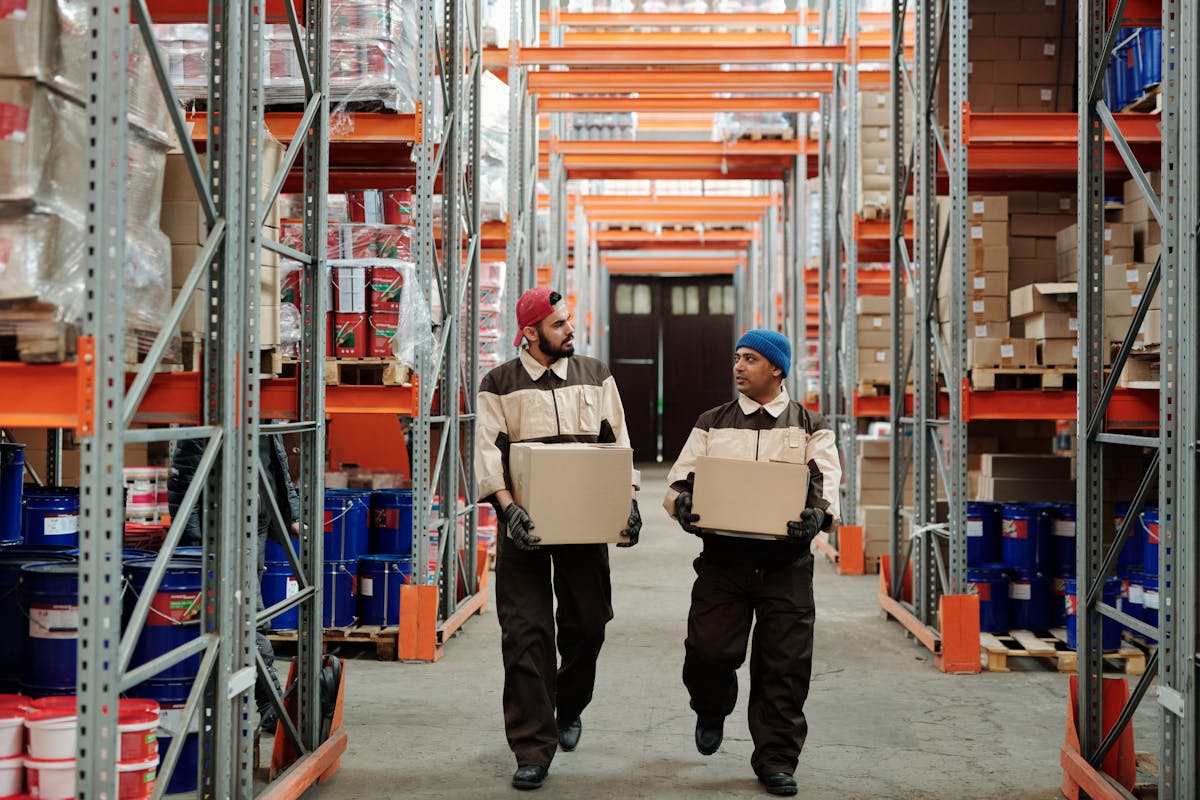
Maintaining documented service logs shields employers from liability under Ontario Ministry of Labour inspections.
5. Ontario Safety Compliance: OHSA and Regulation 851 Mandates
In the Province of Ontario, equipment maintenance is not strictly an operational preference; it is a legal requirement enforced under the Occupational Health and Safety Act (OHSA) and Ontario Regulation 851 for Industrial Establishments.
Under Section 51 of Ontario Regulation 851, lifting devices must be examined by a competent person to determine their capability of handling their maximum rated load:
- Pre-Shift Daily Inspections: Operators must verify steering, braking, warning devices, and hydraulics before each shift and record defects. Running equipment with red-tagged faults breaches employer safety duties.
- Annual Safety Inspection Certification: Every powered lift truck operating in an industrial establishment must undergo a formal, documented annual lifting device safety inspection conducted by a certified technician.
- Ministry of Labour, Immigration, Training and Skills Development (MLITSD) Audits: During workplace blitzes, MLITSD inspectors routinely demand equipment maintenance logs. If an emergency breakdown results in workplace injury or near-miss incidents, the absence of a documented, preventative maintenance program exposes business owners and directors to severe compliance orders, stop-work directives, and substantial corporate fines.
Review the statutory framework in detail with our guide to forklift inspection requirements in Ontario and OHSA compliance.
6. Calculating the 5-Year Fleet Total Cost of Ownership (TCO)
The total cost of ownership across a 10,000-hour operating lifespan clearly separates planned maintenance fleets from reactive operations.
Scenario: Class 4/5 5,000 lb LPG Counterbalance Forklift (5 Years / 8,000 Hours)
Fleet A: Proactive Maintenance Strategy (Quarterly PMs + Annual Safety Inspections)
- 32 Scheduled 250-hr PM Visits @ $320 avg: $10,240 CAD
- 5 Annual OHSA Reg 851 Inspections @ $280 avg: $1,400 CAD
- Planned Wear Part Replacements (Tires, hoses, belts, brakes): $4,800 CAD
- Unplanned Emergency Breakdowns (1 minor incident): $850 CAD
- Total 5-Year Maintenance Cost: $17,290 CAD
- Residual Asset Value at Year 5: $16,500 CAD (Clean service records, strong resale demand)
Fleet B: Reactive Break-Fix Strategy (Service Only When Machine Ceases Operation)
- Scheduled Maintenance Visits: $0 CAD
- Annual Inspections Conducted Irregularly: $840 CAD
- 6 Major Emergency Field Breakdowns (Pump failure, starter motor, mast binding, steering cylinder, radiator blowout): $19,400 CAD
- Emergency Freight and Rental Backup Units: $5,600 CAD
- Unplanned Production Stoppage Labor Losses: $6,200 CAD
- Total 5-Year Maintenance & Downtime Cost: $32,040 CAD
- Residual Asset Value at Year 5: $8,000 CAD (Scored mast, thermal stress, poor buyer appeal)
The reactive fleet spent nearly double the capital over five years while absorbing significant production disruptions and sacrificing over $8,500 in asset equity when trading in the used machine.
For additional financial modeling on fleet lifecycle planning, examine our resource on new vs. used forklifts in Ontario and long-term asset investments.
7. Building a Bulletproof Maintenance Program with Alteon Equipment
Transitioning your warehouse or yard from reactive firefighting to scheduled predictability requires zero administrative burden when managed by an experienced regional equipment dealer.
At Alteon Equipment, we support warehousing, distribution, manufacturing, and construction operations throughout Mississauga, Brampton, Toronto, and across the Greater Toronto Area with customized preventative maintenance agreements.
What Alteon Fleet Service Delivers:
- Custom Maintenance Intervals: Tailored 250, 500, and 1,000-hour planned maintenance schedules based on actual meter utilization and facility environmental conditions.
- Fully Equipped Mobile Service Vans: Factory-trained technicians providing on-site servicing, hydraulic pressure testing, fluid changes, and tune-ups without transporting your machines off-site.
- Annual Safety Inspection Certification: Complete, thorough OHSA Regulation 851 lifting device inspections with certified safety stickers and digital compliance documentation.
- OEM and Tier-1 Replacement Parts: Extensive inventory of replacement filters, hoses, chains, electrical components, and consumables to prevent parts delivery delays.
- Guaranteed Fleet Uptime Support: Rapid priority dispatch and preferred standby rental access when equipment requires extensive scheduled overhauls.
Whether operating a single electric reach truck or a diversified fleet of heavy-duty counterbalance forklifts, preventative maintenance eliminates the financial volatility of emergency repairs.
Protect your warehouse uptime and fleet capital today. Call Alteon Equipment at +1 905 238 8881 or email Sales@alteonequipment.com to schedule a comprehensive fleet assessment or establish your custom preventative maintenance plan.
Related Posts

Post a Comment